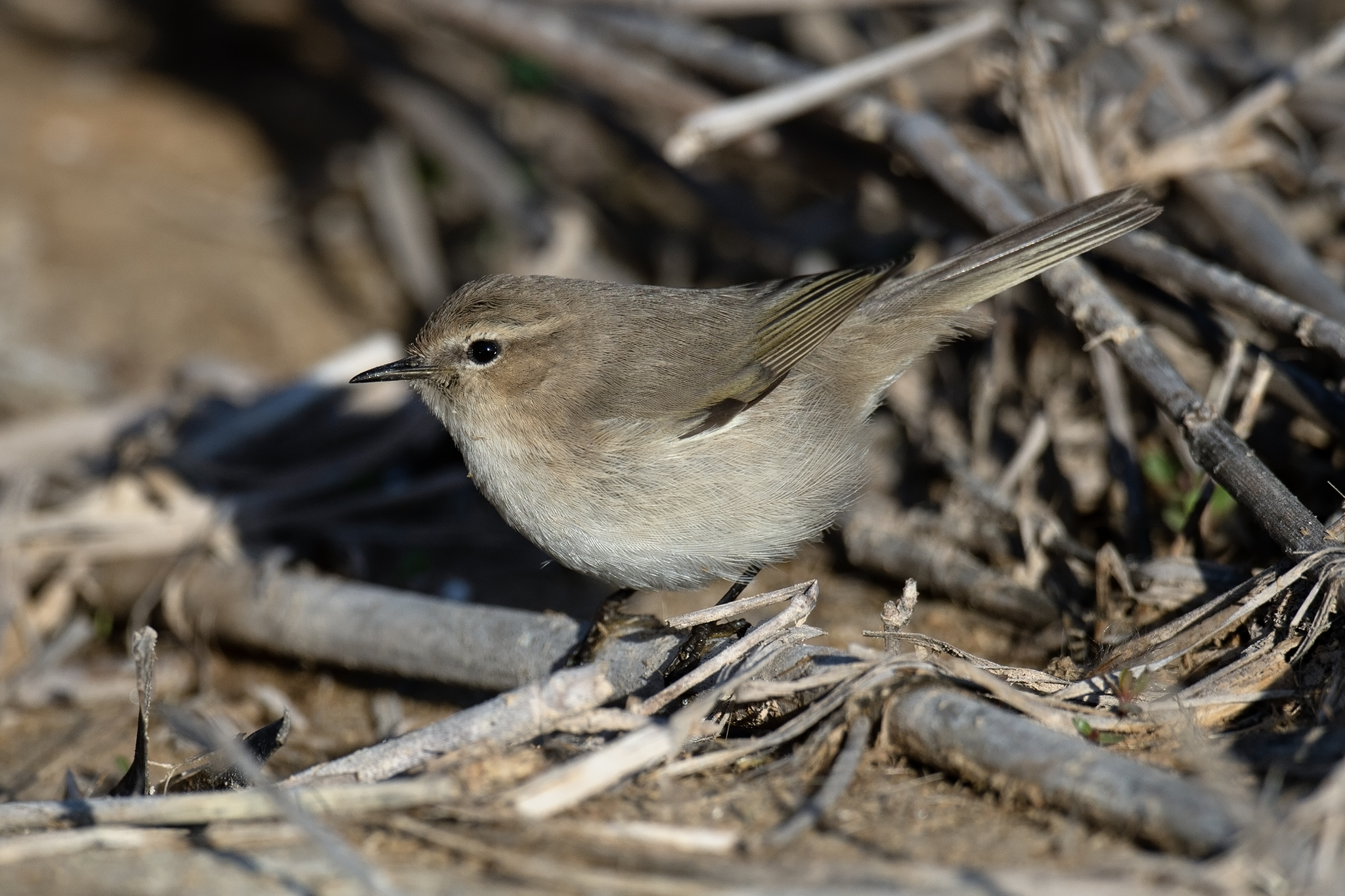
The
Common Chiffchaff is a migratory bird frequently observed during spring and
autumn migrations, as well as a winter visitor in some areas. It is a common
presence in environments with vegetation, such as gardens, parks, and
tree-filled landscapes, though it occasionally ventures into open areas like
rocky gullies. Two sspp occur in Qatar, European Chiffchaff (collybita) & Siberian Chiffchaff (tristis)
Habitat & Behavior
The Common Chiffchaff is most often found in tree-rich environments,
actively foraging among foliage for insects. It carefully picks small insects
from leaves and branches but will also forage on bare or turfed ground for
seeds. Its feeding behavior is often accompanied by characteristic
tail-dipping movements. Like the Willow Warbler, it moves through foliage
with an unassuming flitting motion.
Appearance & Physical Characteristics
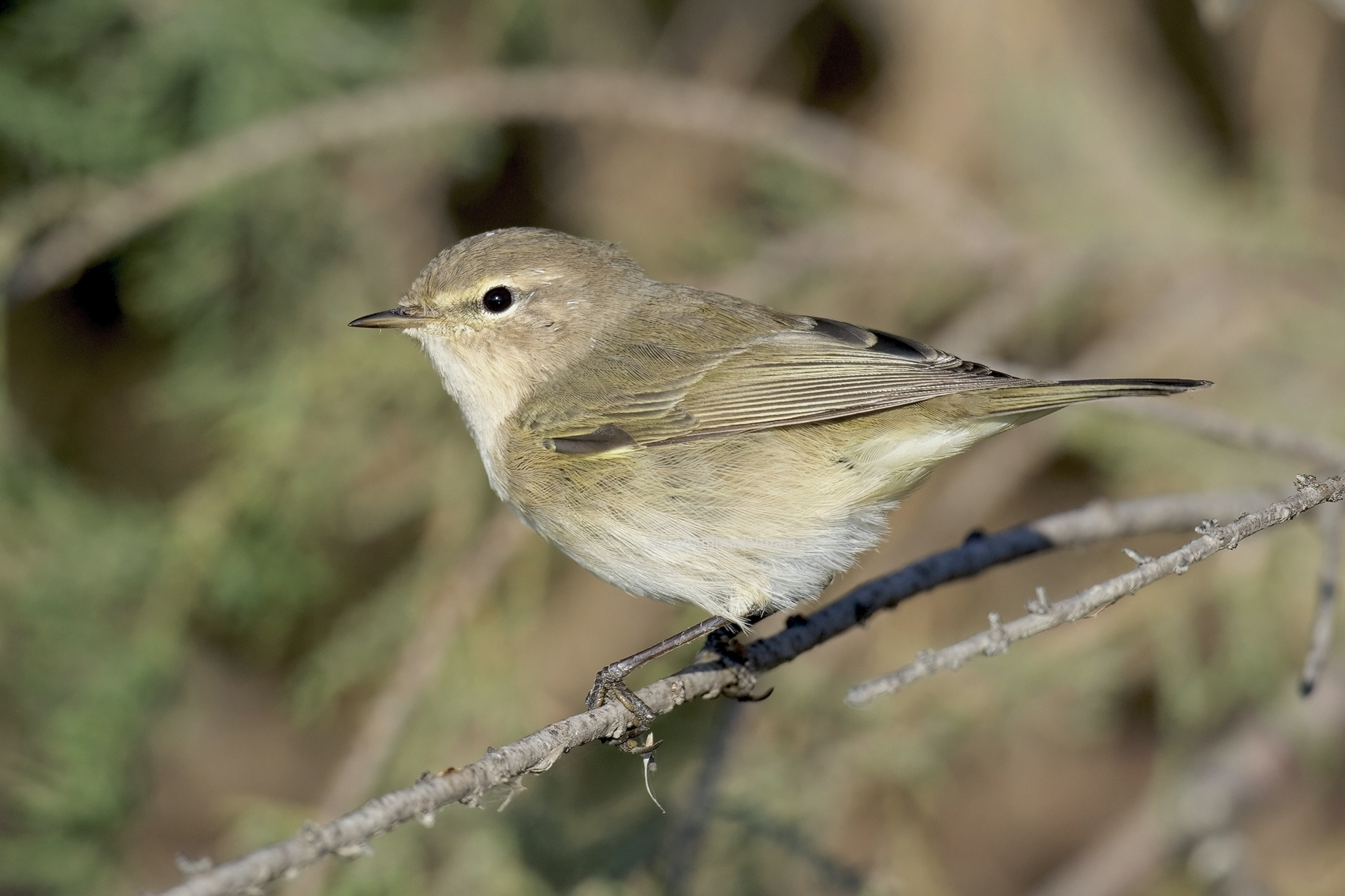
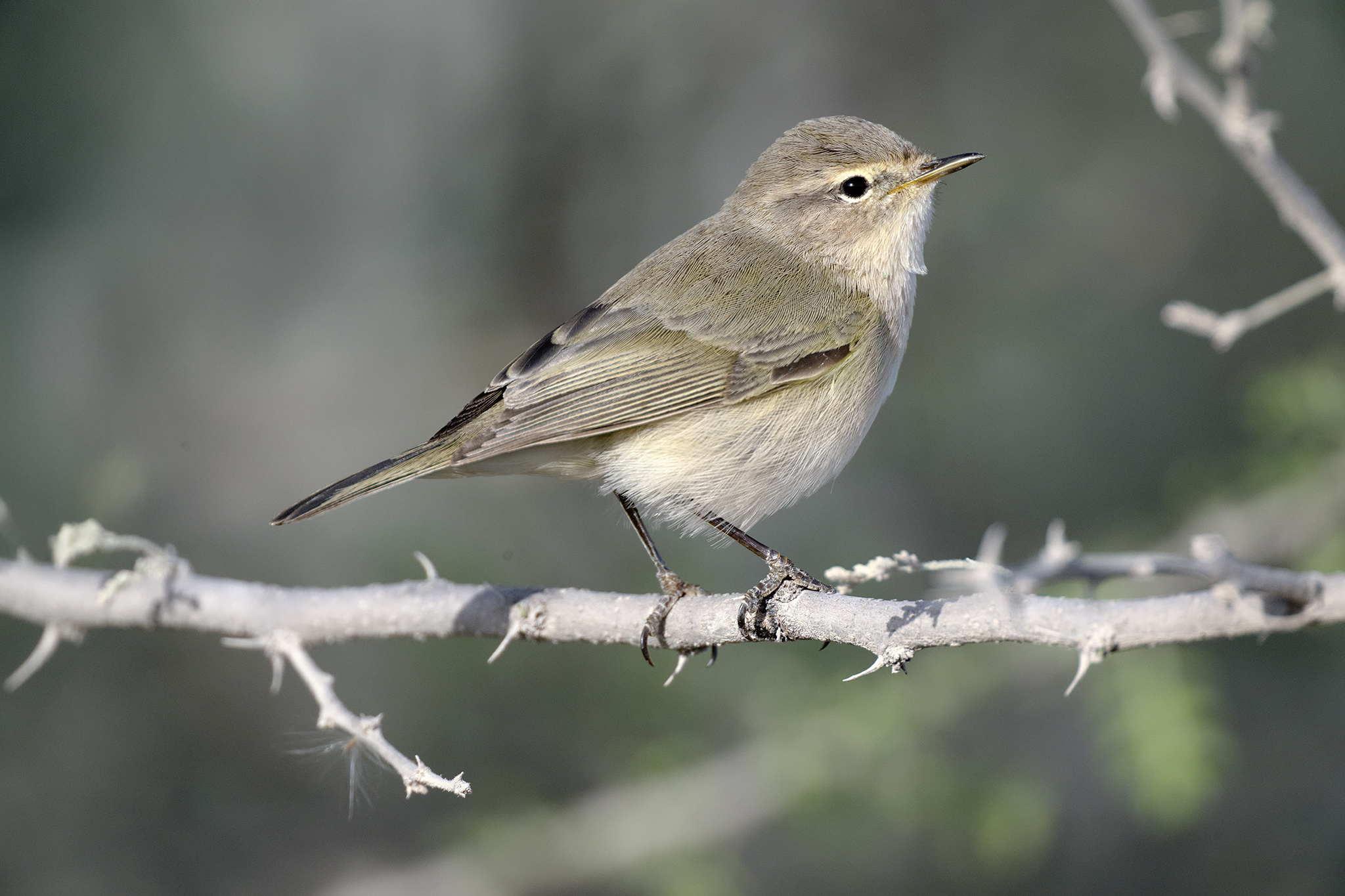
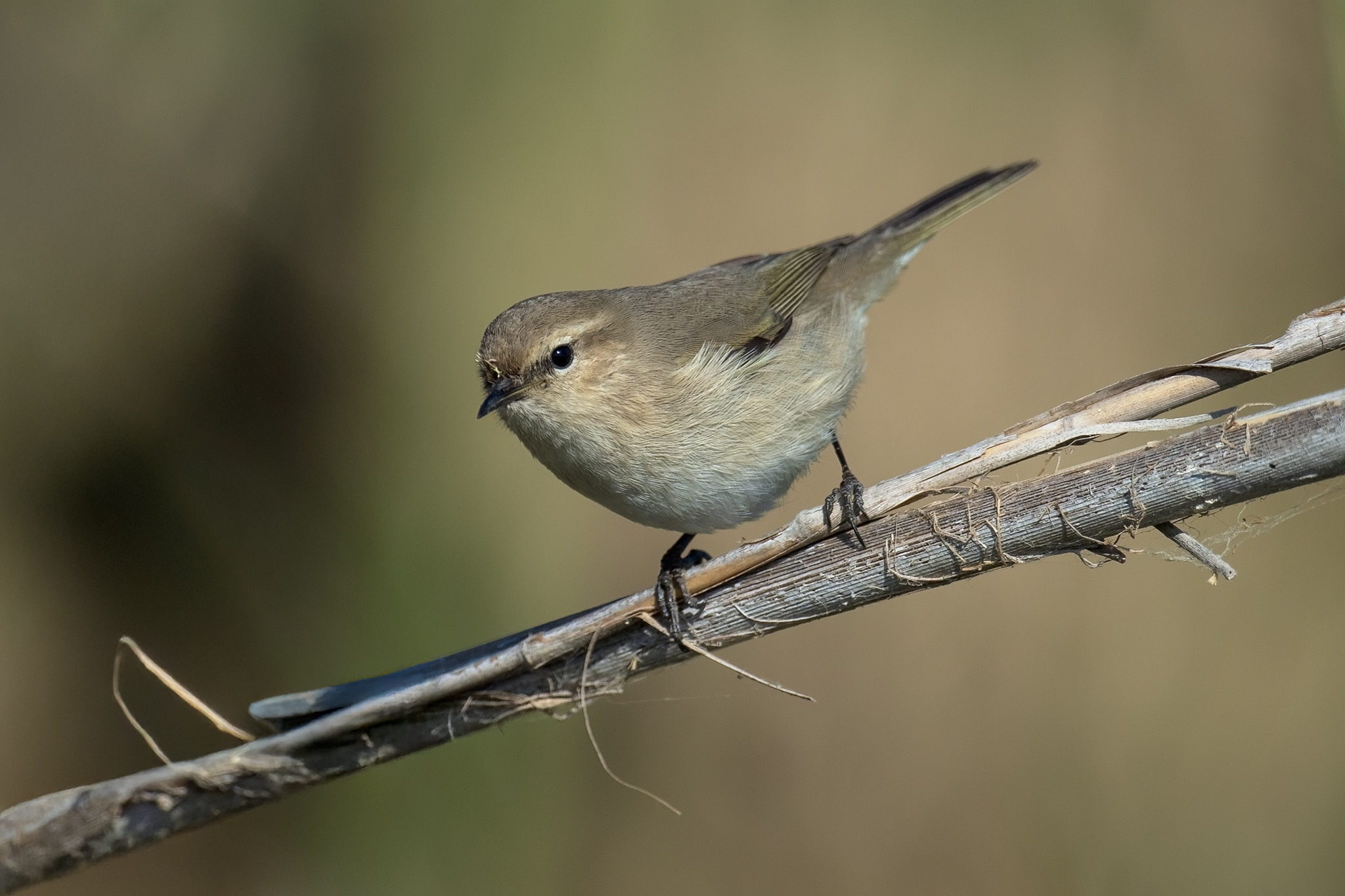
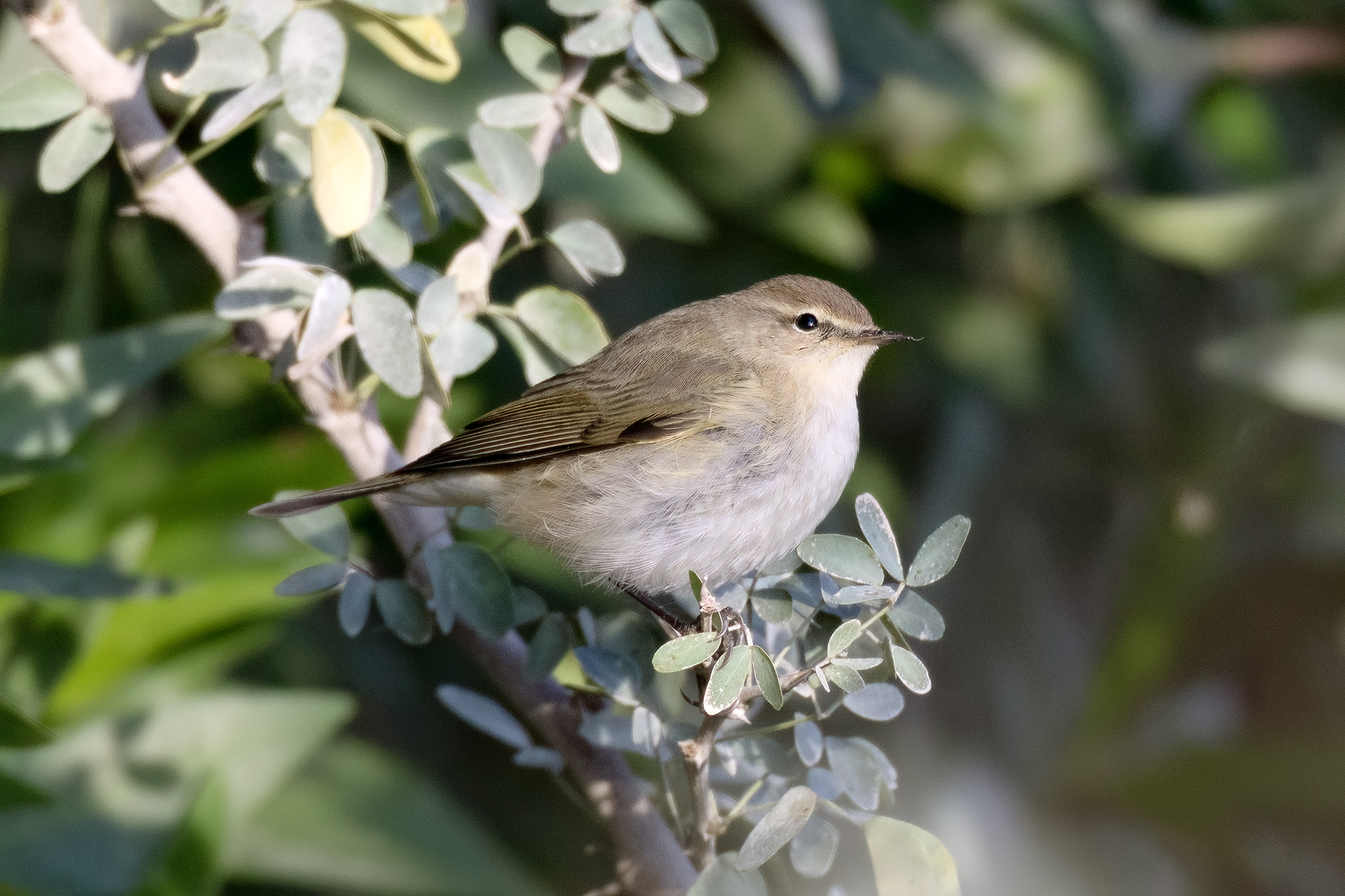
This small warbler has a greenish plumage that is notably duller than that
of the Willow Warbler. Its black legs are a key distinguishing feature, along
with shorter wings. These traits make it easier to differentiate the Common
Chiffchaff from similar species.
Call
The Common Chiffchaff is known for its distinct song, transcribed as
"chiff-chaff chiff-chaff," which can be heard during late winter
and early spring. During migration, it rarely sings but may produce a short,
flat "hooeet" call.
Size and Comparison
Measuring about 11 cm in length, the Common Chiffchaff is similar in
appearance to the Willow Warbler but differs in key aspects. Its coloration
is duller, its tail movements are more pronounced while feeding, and it has
shorter wings and black legs.
Seasonal Presence
The Common Chiffchaff is seen predominantly in late winter and spring, with
fewer sightings at other times of the year. It is a passage migrant during
spring and autumn and occasionally sings in the early part of the year in
regions where it winters.
|