


| The
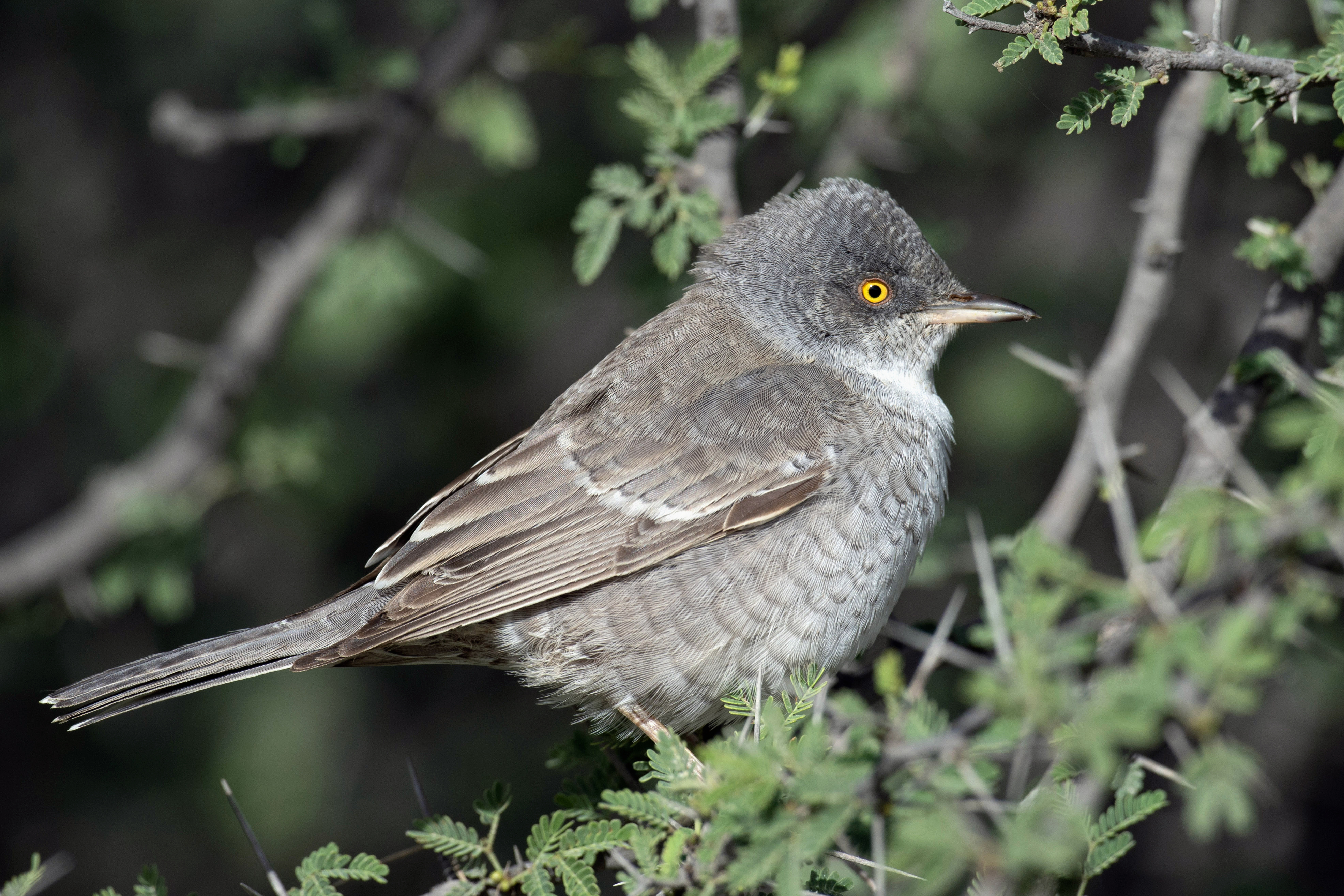
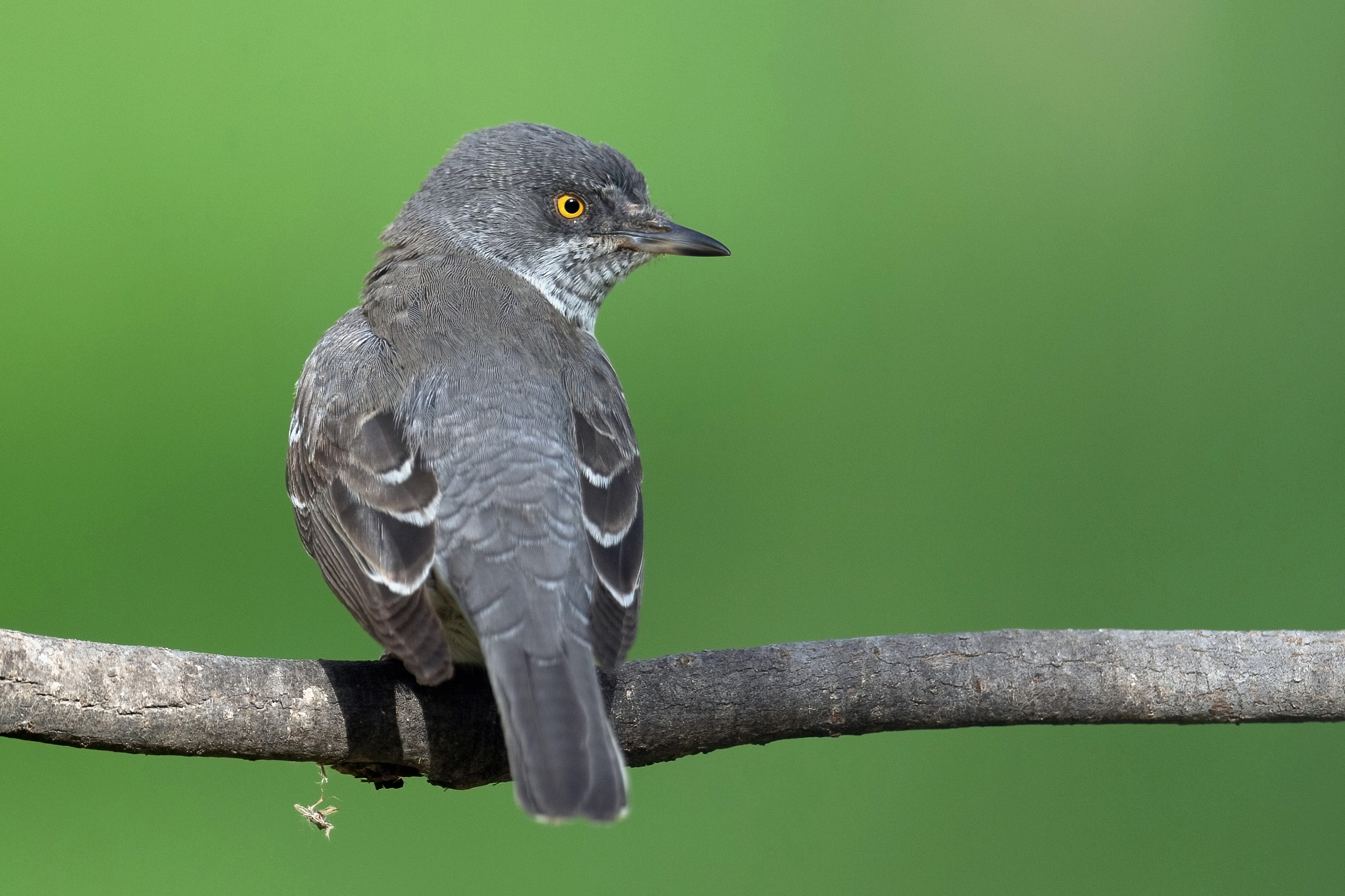
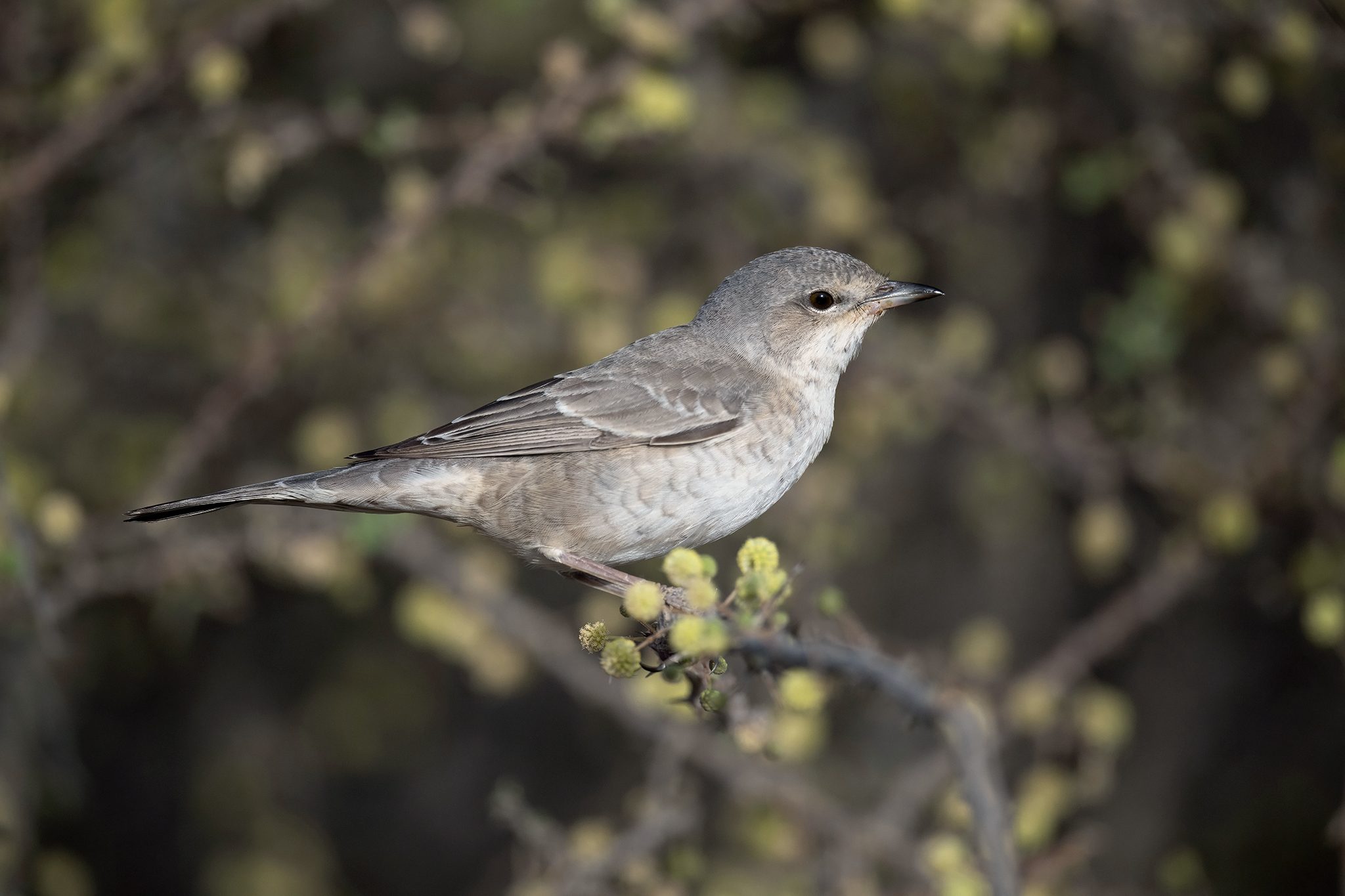
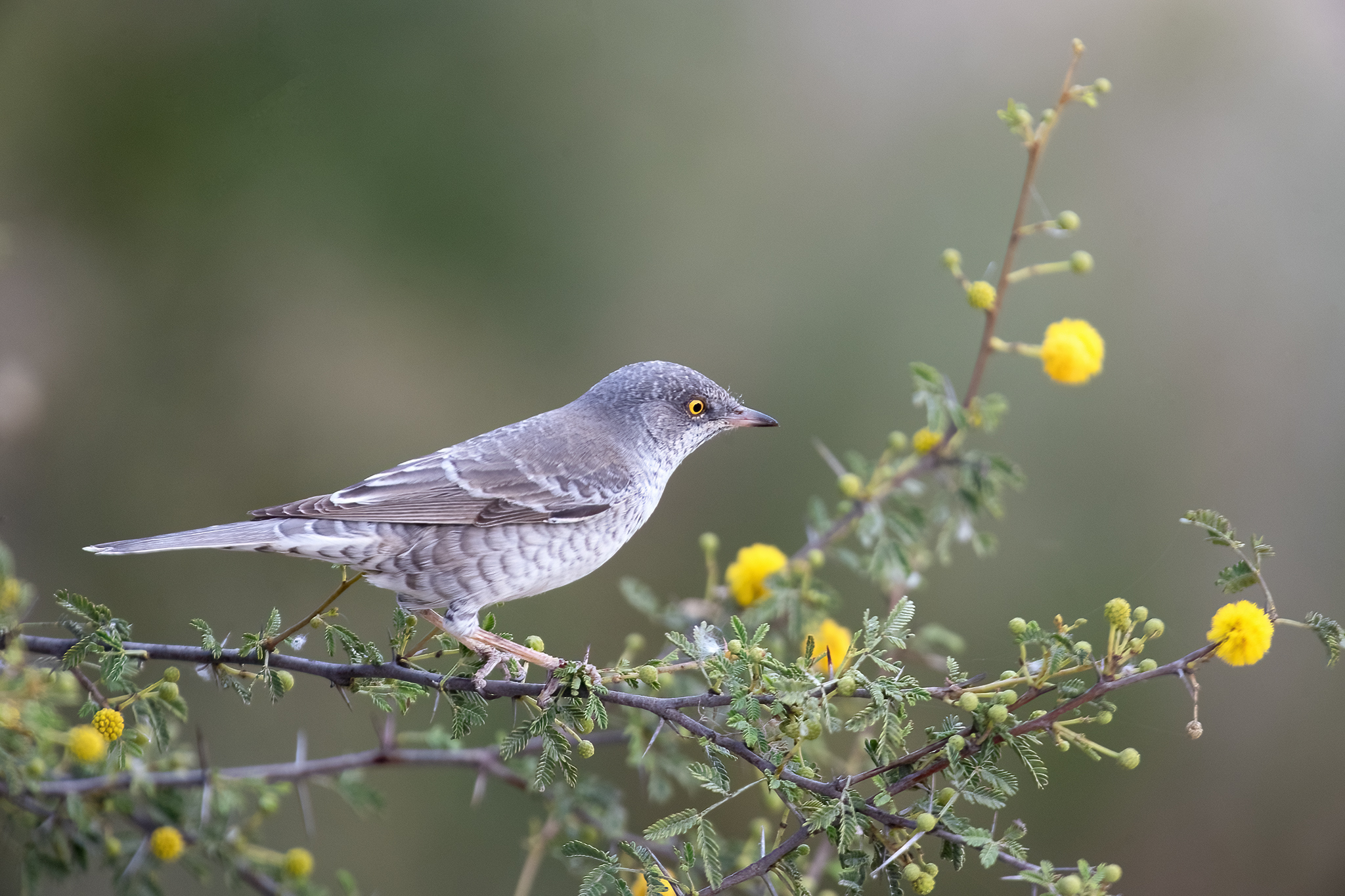
Barred Warbler is a large warbler and a spring and autumn passage migrant,
occasionally staying over winter. It is often compared in coloration to the
Common Cuckoo. The bird primarily forages for insects in the foliage of trees
and bushes, with movements that are curiously slower and more cumbersome
compared to smaller warblers. It is insectivorous but will also feed on
berries when they are available. Habitat & Behavior The Barred Warbler is typically found in areas with trees and bushes, where it actively forages for food. Despite its larger size, it is a shy bird, avoiding disturbance by hiding in dense vegetation. It feeds primarily on insects but supplements its diet with berries, depending on seasonal availability. Appearance & Physical Characteristics General: The bird has a grey head, back, and wings, with pale undersides adorned with dark, crescent-shaped barring. This distinctive barring is prominent during summer but less noticeable or absent in autumn and winter plumage. Male: The male’s eyes are bright yellow or orange-yellow, giving it an intense and alert appearance. Female: Females are generally lighter in color with less prominent barring compared to males. Young Birds: Juveniles, especially in autumn, have duller, brownish eyes instead of the bright yellow seen in adults. Call The Barred Warbler is recognized for its distinctive vocalizations: Song: A loud, melodic warble, often delivered from an exposed perch. Call: A rattling sound, transcribed as "arrr-at-at-at-at," which sets it apart from other warblers. Size and Comparison The Barred Warbler is one of the larger warblers, noticeably bigger and bulkier than many other species within the warbler family. Seasonal Presence This species is primarily observed during migration in spring (April) and autumn (October) but may occasionally overwinter in favorable conditions. |





© 2026 Qatar Bird Observation Group