


| The Grey
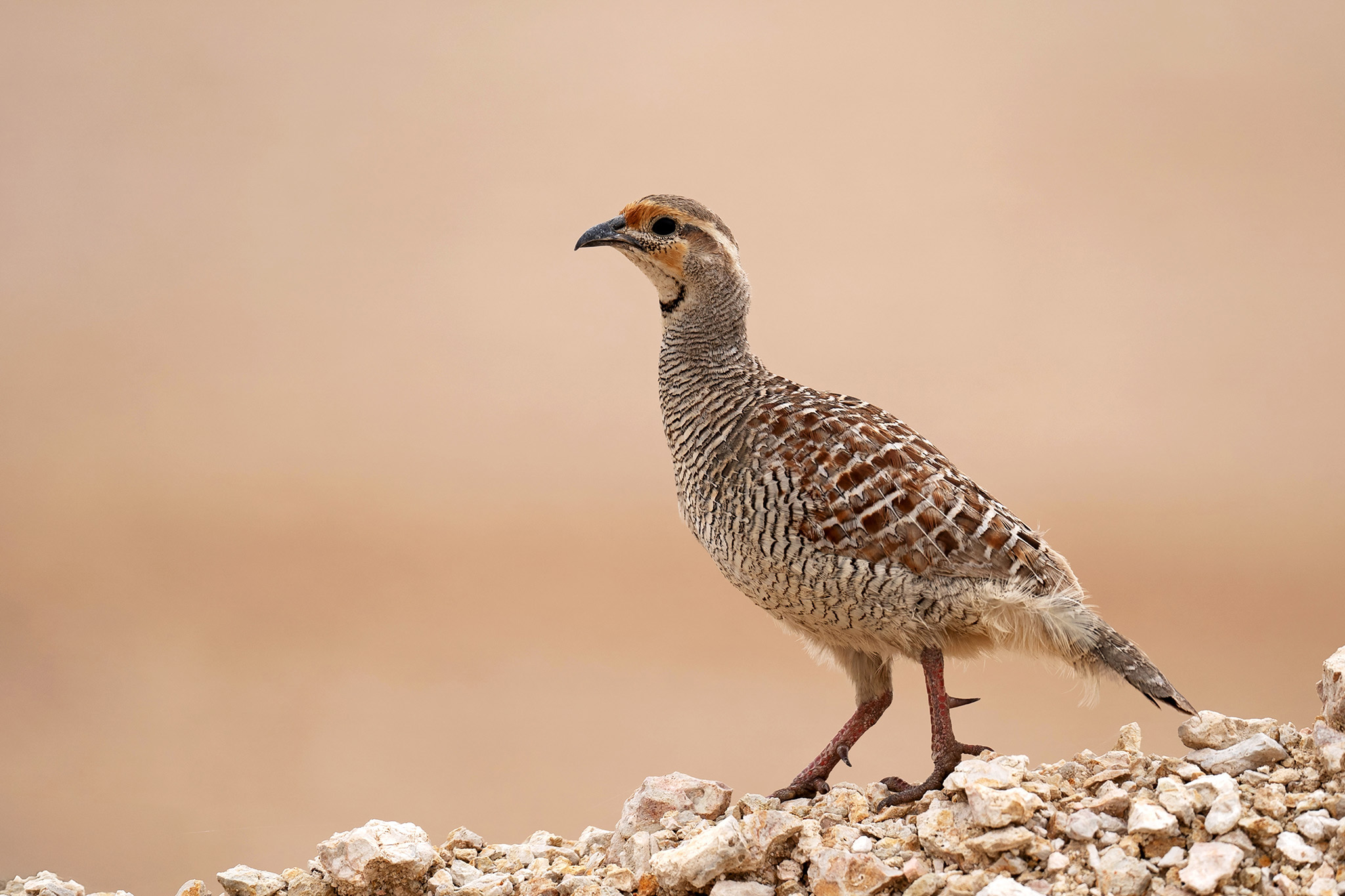
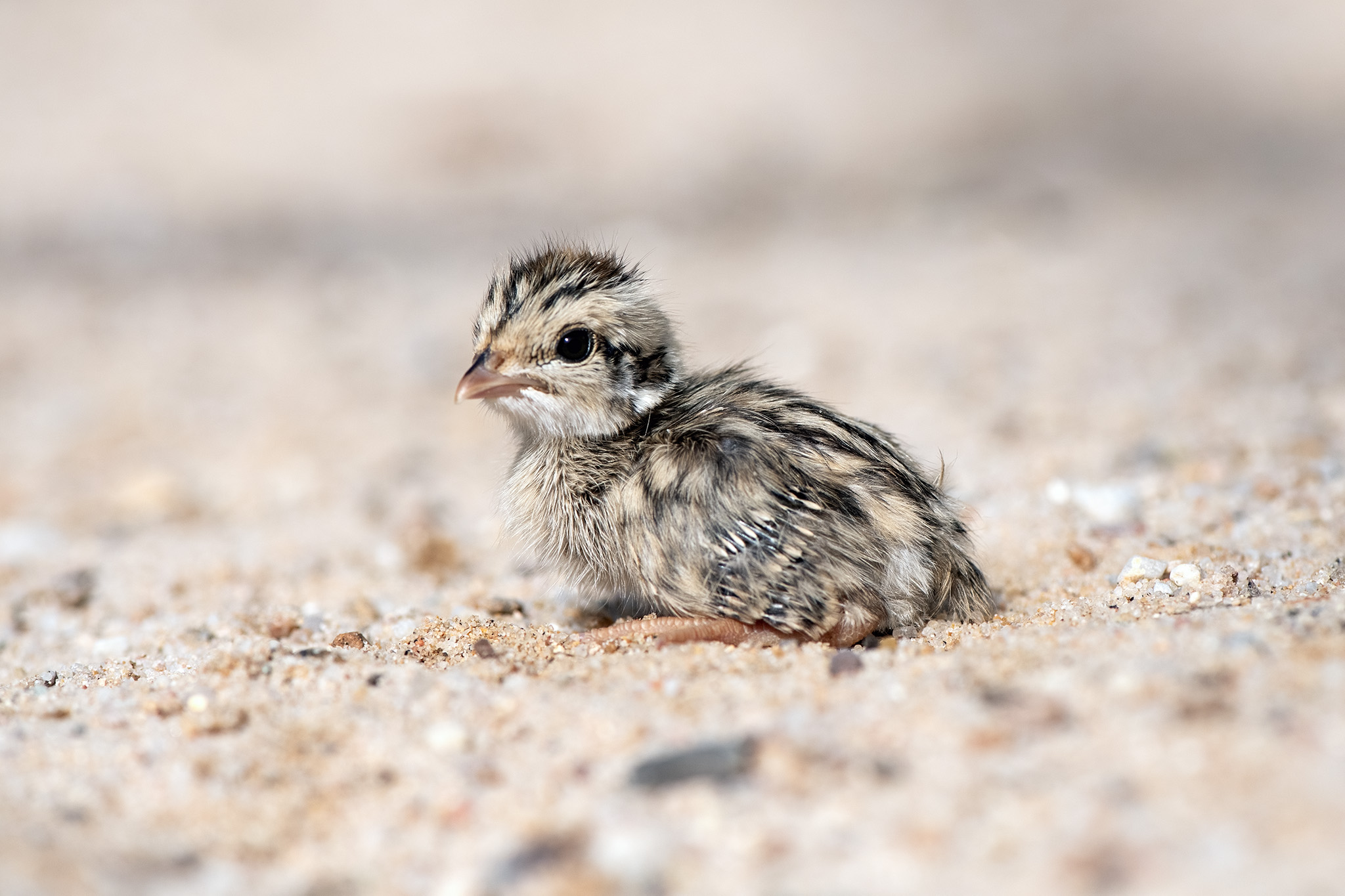
Francolin is a successfully introduced species of partridge in Qatar. This
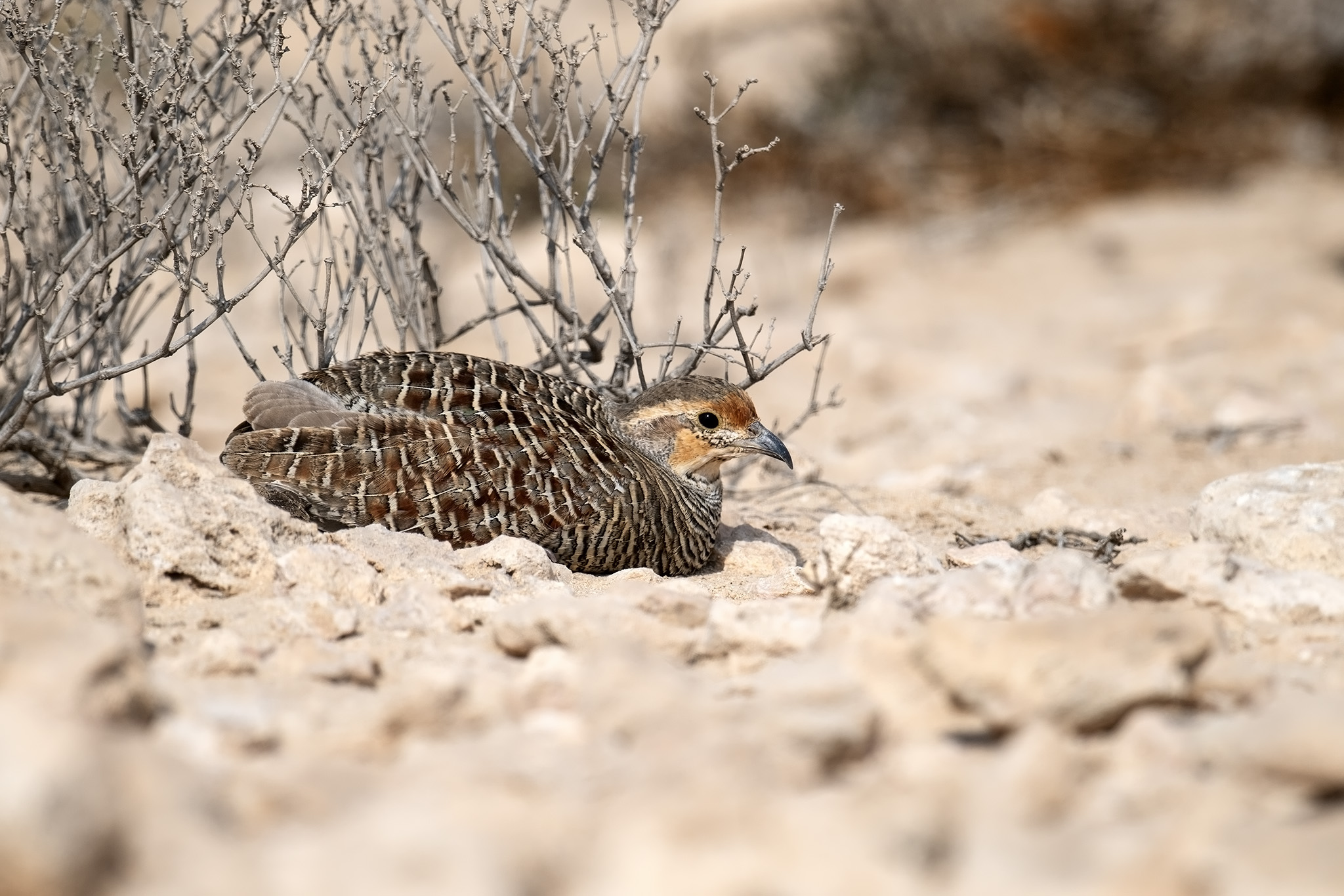
shy resident breeder is known for its excellent camouflage and adaptability
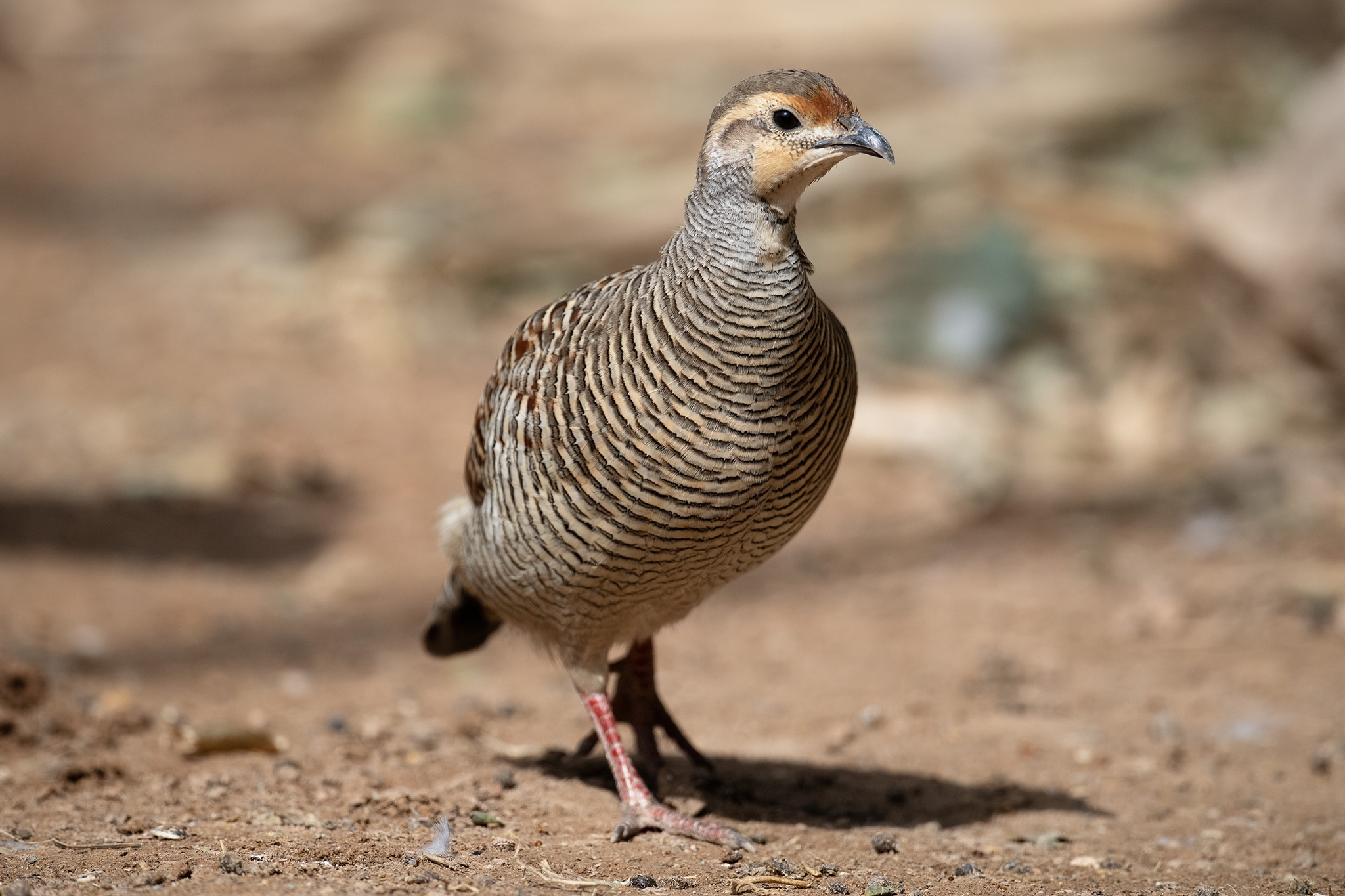
to dry and sandy environments. While it may appear dull grey from a distance,
its plumage reveals intricate patterns up close. The Grey Francolin is often
found in plantations, farms, parks, and golf courses, where it thrives as a
year-round resident. Habitat & Behavior Preferred Habitats: Found in plantations, farms, parks, and open spaces with bushes. It often stays hidden among vegetation or forages on the ground. Foraging: Spends most of its time on the ground, using its strong bill and feet to scrape the surface for seeds and insects. Behavior: Usually seen running on the ground, preferring to run rather than fly when startled. When disturbed, it flies rapidly out of bushes or trees. Emits loud, cackling calls in the mornings and evenings, with one bird starting the call and others joining in a prolonged chorus. Roosts in pairs or family groups in bushes at night. Appearance & Physical Characteristics Plumage: Brown with rich patterns of chestnut, cream, and various shades of brown. The breast and belly have darker bars. Tail: Short and inconspicuous. Camouflage: Blends seamlessly into dry, sandy environments, making it difficult to spot until it moves. Call The Grey Francolin’s loud, cackling call is most commonly heard during the mornings and evenings. Its distinctive, penetrating sound often signals its presence before it is seen. Size and Comparison The Grey Francolin is a medium-sized ground bird, larger than small passerines but smaller than larger game birds like pheasants. Its robust build and strong legs are well-suited for running and ground foraging. Seasonal Presence The Grey Francolin is a year-round resident in Qatar and can be observed throughout all seasons, particularly in areas with bushes and open spaces for foraging. |





© 2026 Qatar Bird Observation Group