



| Ménétries’s
Warbler is a small, active warbler known for its lively movements and unique
appearance. It is a winter visitor and a spring and autumn passage migrant.
This bird is often associated with areas like Qatar, where it is commonly
seen in gardens, parks, and regions with bushes. Its presence is often first
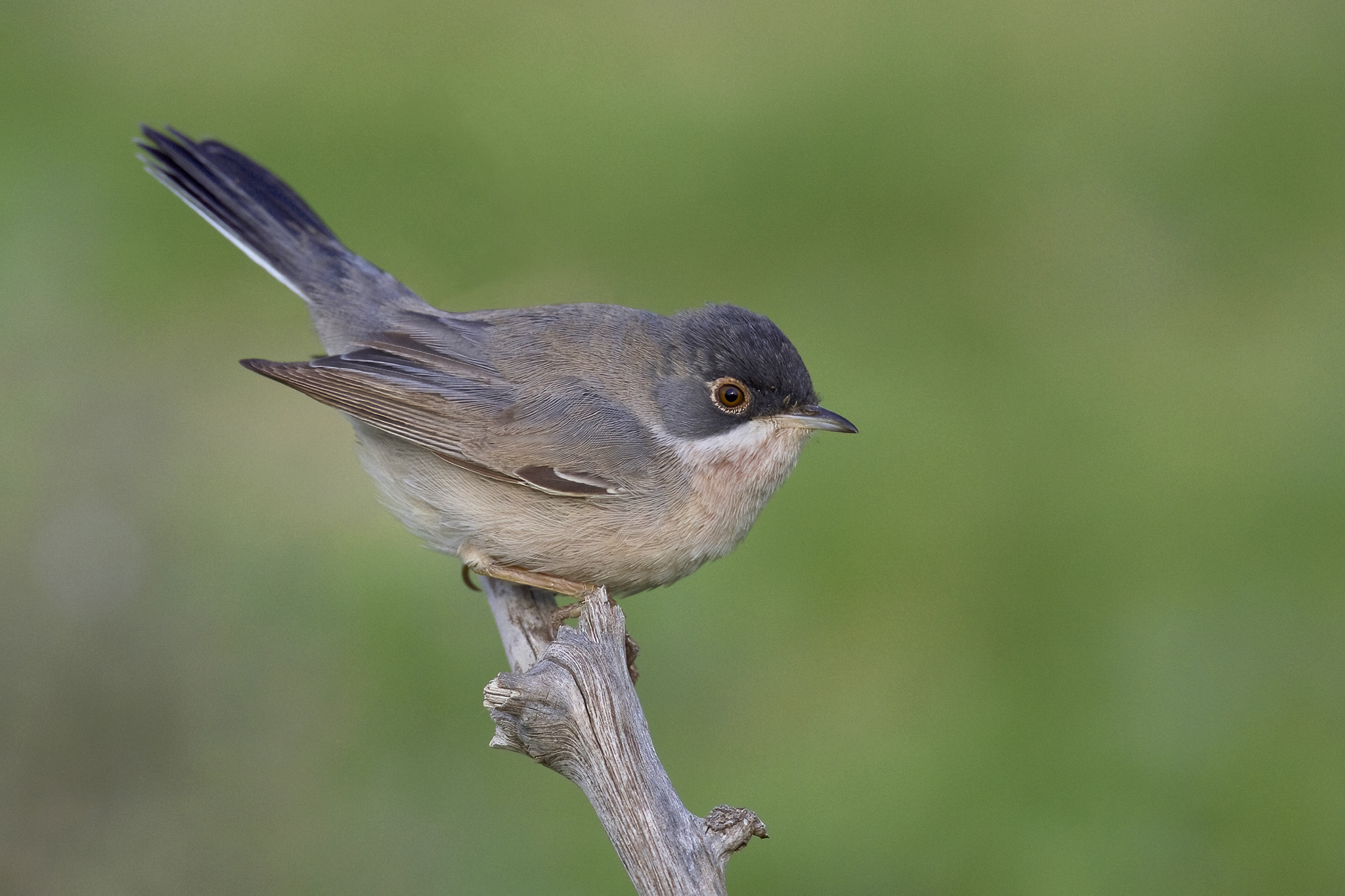
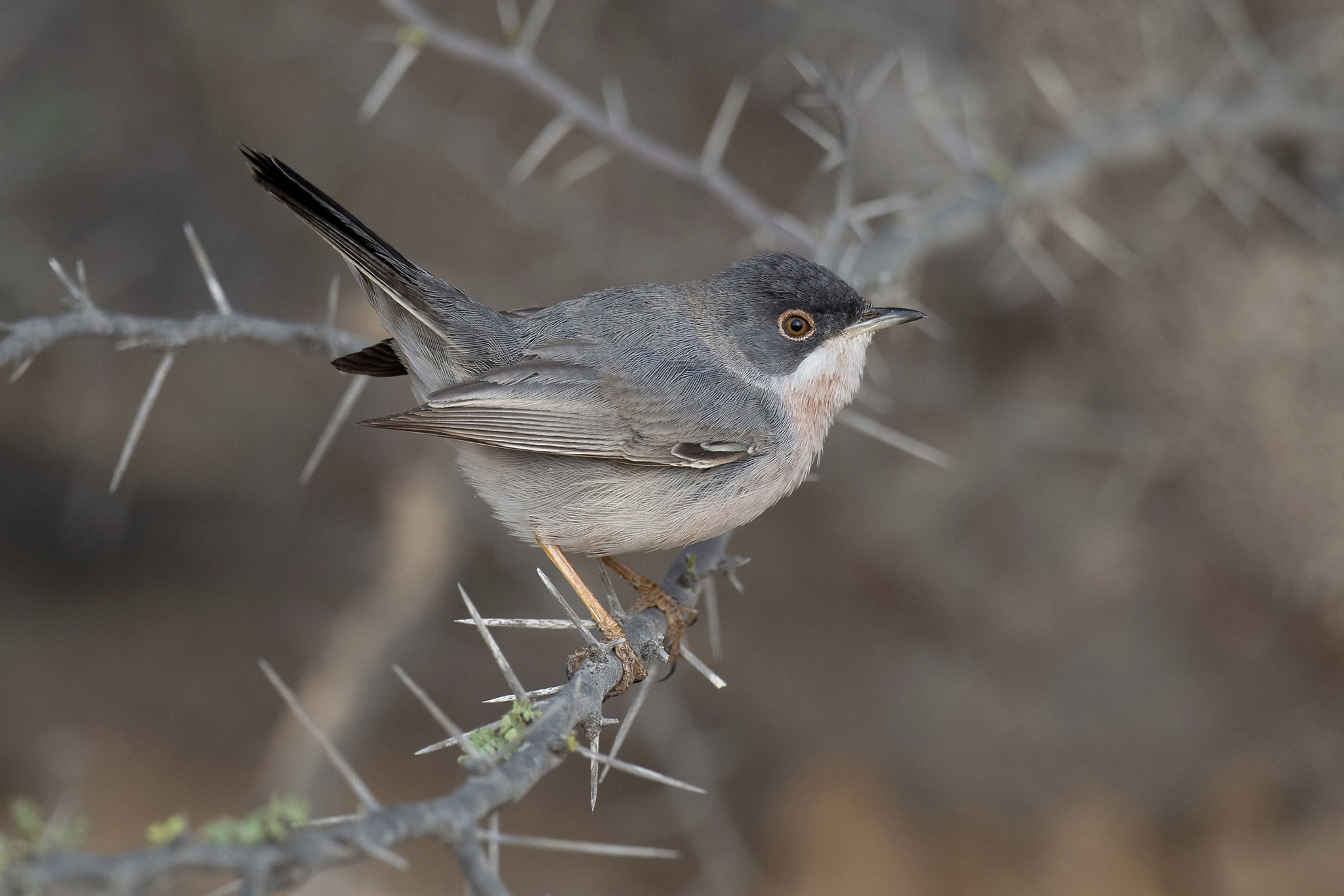
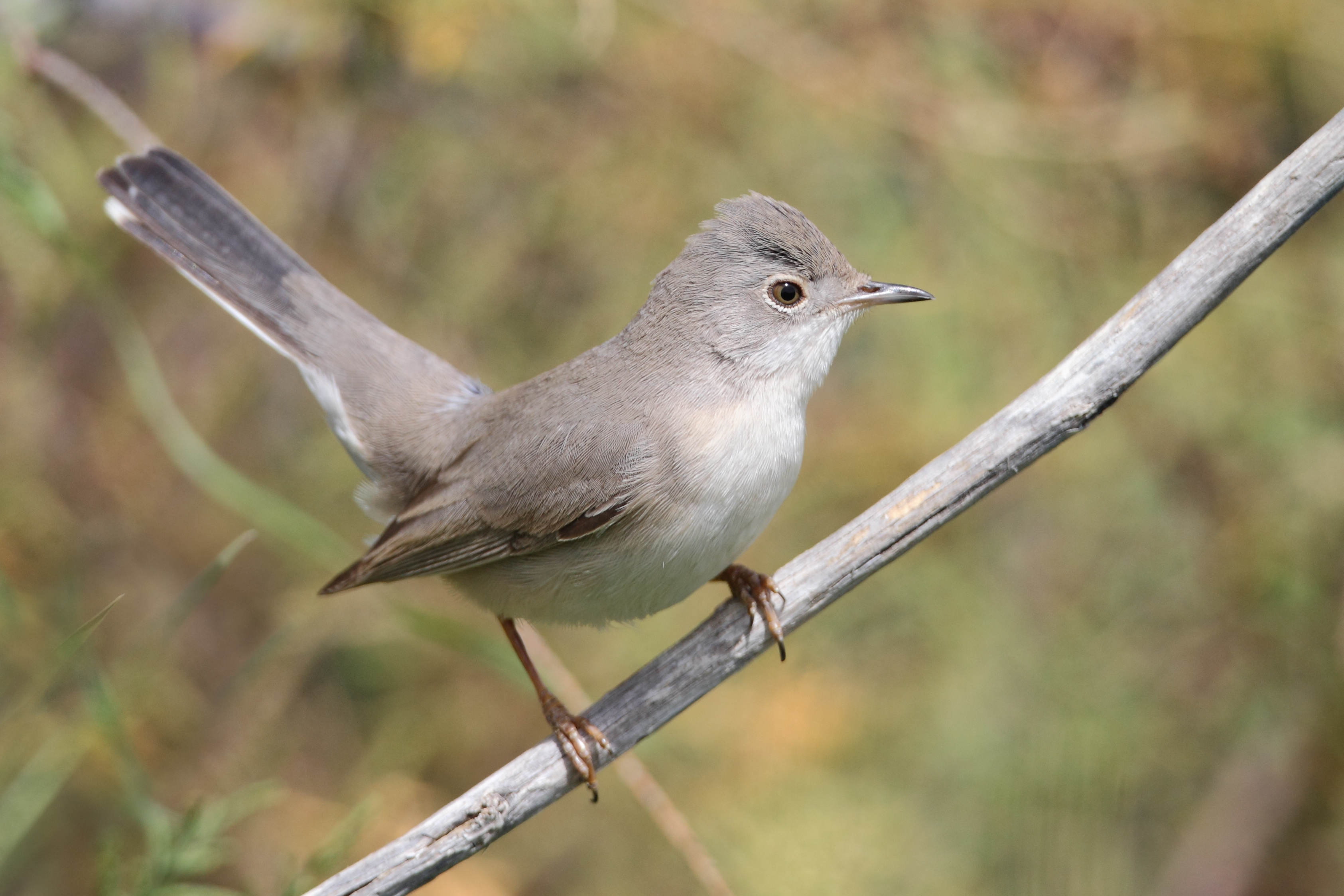
revealed by its tongue-clicking "tscheck" call. Habitat & Behavior This warbler prefers cultivated areas with bushes, tamarisk shrubs, and the edges of wetlands. It actively forages for insects, its primary food source, but also eats berries and seeds. The bird is known for its distinctive tail movements, flicking up and down or side to side, which adds to its active and animated behavior. Appearance & Physical Characteristics Ménétries’s Warbler displays notable differences in appearance between males, females, and juveniles: Males: Feature a salmon-pink underside with a white moustache, a bluish-grey back, a jet-black tail, and a distinctive red eye-ring. Females and Young Birds: Have a plainer brown coloration on the upperparts with buff and white undersides. Their eye-ring is white, contrasting with the males' red. The male also has dark ear coverts, while the tail's blackish center adds to its unique look. Call Ménétries's Warbler is known for its quiet, chattering song, which combines musical and harsh notes and is sometimes delivered in flight. Its distinctive call includes a tongue-clicking "tscheck" and a harsh, buzzing sound, as well as sparrow-like chattering. Size and Comparison Ménétries’s Warbler is small and active, similar in size to other small warblers. Its distinct coloration, including the salmon-pink underparts in males and the plain buff tones in females, along with its active tail movements, sets it apart from other warbler species. Races Two races of this species are recognized: S. m. mystacea S. m. rubescens |





© 2026 Qatar Bird Observation Group